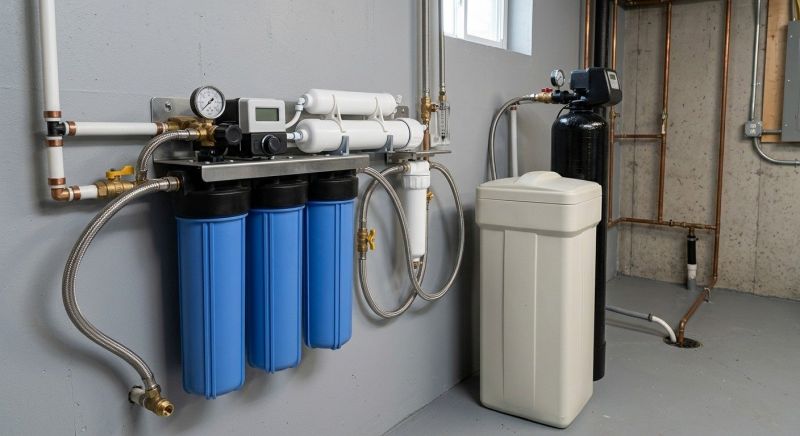
Residential Water Treatment in Charlotte, NC
Residential water treatment services focus on improving the quality and safety of the water supply within a home. These projects typically include installing or upgrading systems such as water softeners, filtration units, and reverse osmosis systems, which help remove contaminants, reduce mineral buildup, and improve the taste and clarity of tap water. Homeowners often seek these services to address concerns about hard water, sediment, chlorine, or other impurities that can affect appliances, plumbing, and overall water enjoyment.
Before requesting residential water treatment services, property owners usually want to understand the specific issues affecting their water supply and the types of treatment options available. It’s helpful to know the source of the water, whether from a well or municipal system, and any particular contaminants or mineral levels that need addressing. Clarifying goals, such as reducing scale buildup or improving drinking water quality, can help determine the most suitable system and ensure the treatment solution aligns with the household’s needs.
Many property owners in Charlotte, NC look into Residential Water Treatment for repairs, replacements, upgrades, and appearance-related improvements.
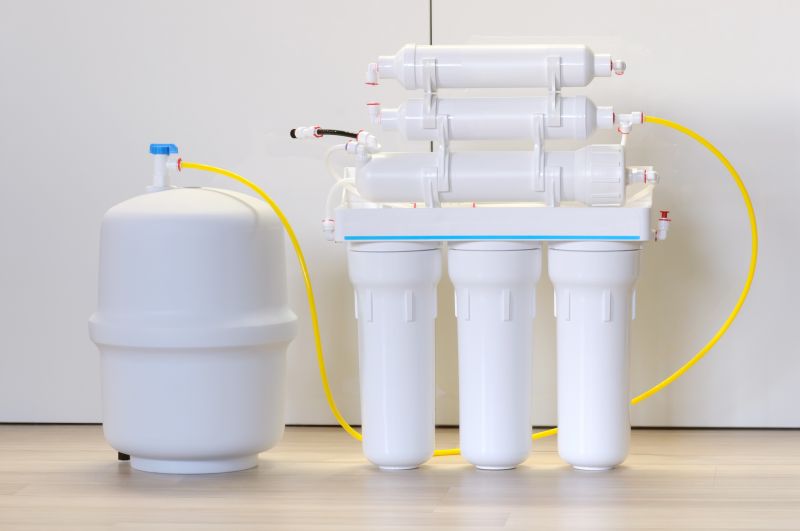
Water Filtration Solutions
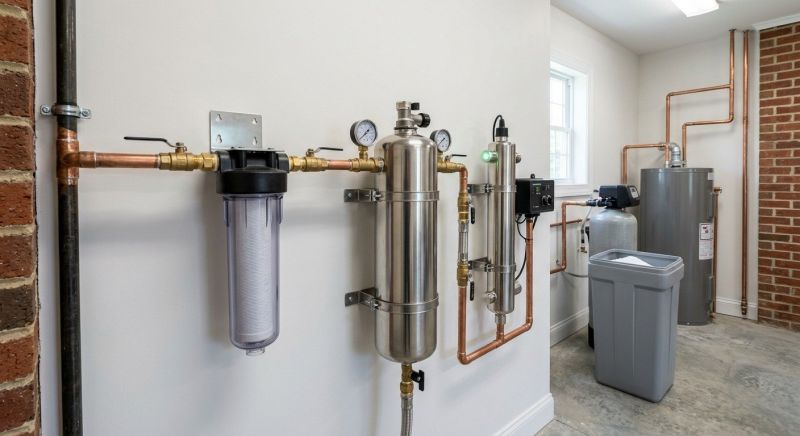
Residential water treatment systems improve water quality by removing contaminants and impurities.
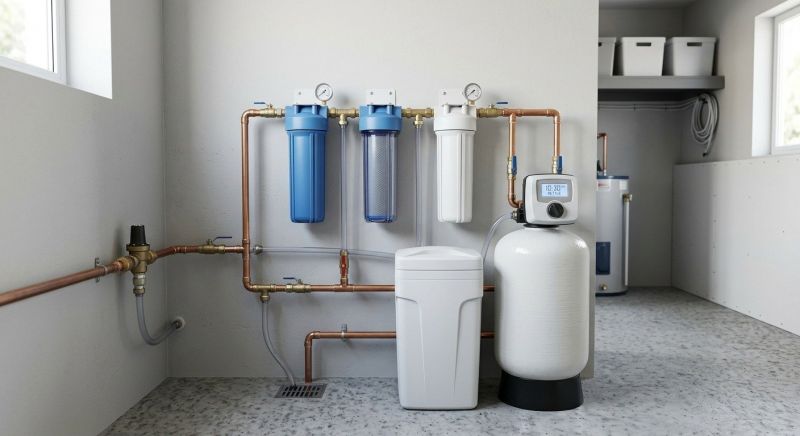
Well Water Treatment
Proper treatment options address issues like hardness, iron, and bacteria in well water for homes in charlotte.
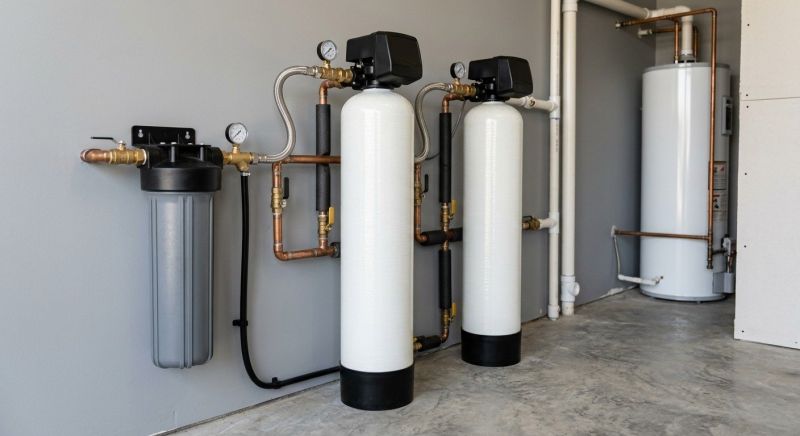
Water Softening Services
Softening systems help reduce mineral buildup and extend the lifespan of plumbing fixtures and appliances.
Residential Water Treatment in Charlotte, NC

Residential water treatment services focus on improving the quality and safety of the water supply within a home. These projects typically include installing or upgrading systems such as water softeners, filtration units, and reverse osmosis systems, which help remove contaminants, reduce mineral buildup, and improve the taste and clarity of tap water. Homeowners often seek these services to address concerns about hard water, sediment, chlorine, or other impurities that can affect appliances, plumbing, and overall water enjoyment.
Before requesting residential water treatment services, property owners usually want to understand the specific issues affecting their water supply and the types of treatment options available. It’s helpful to know the source of the water, whether from a well or municipal system, and any particular contaminants or mineral levels that need addressing. Clarifying goals, such as reducing scale buildup or improving drinking water quality, can help determine the most suitable system and ensure the treatment solution aligns with the household’s needs.
Many property owners in Charlotte, NC look into Residential Water Treatment for repairs, replacements, upgrades, and appearance-related improvements.
Common Residential Water Treatment Jobs
Water Softening Systems - reduce mineral buildup to improve appliance performance and extend plumbing lifespan.
Filtration Systems - remove sediments, chlorine, and odors for cleaner, better-tasting water.
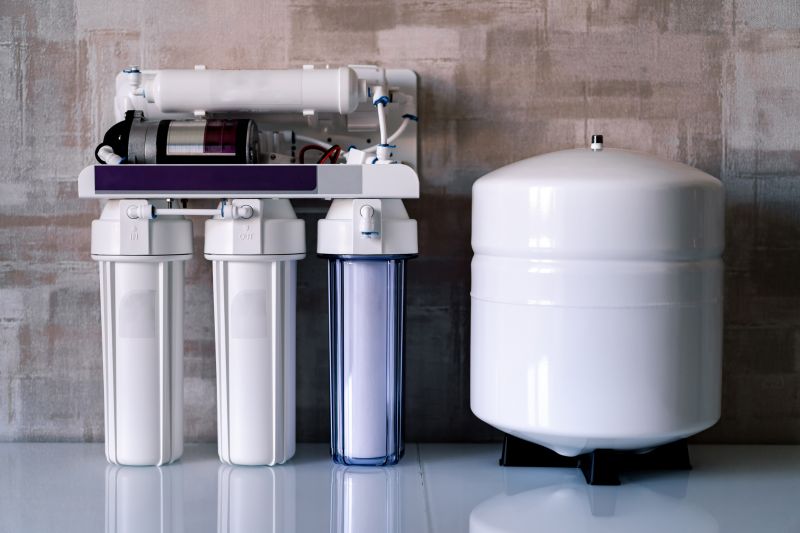
Reverse Osmosis Units - provide purified drinking water by removing contaminants at the source.
Whole-House Water Treatment - ensure all water entering a home is filtered for safety and quality.
Iron and Sulfur Removal - eliminate unpleasant tastes and odors caused by common well water issues.
Maintenance and System Upgrades - optimize existing water treatment equipment for continued performance.
Residential Water Treatment Questions
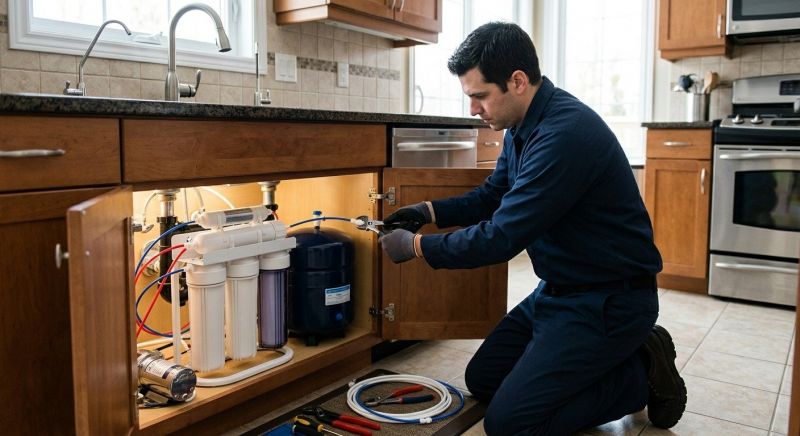
What is residential water treatment? Residential water treatment involves installing systems that improve water quality by removing contaminants and impurities for better taste, safety, and appliance longevity.
What types of water treatment systems are available? Common options include water softeners, filtration units, and reverse osmosis systems tailored to address specific water quality concerns.
How can water treatment benefit my home? Water treatment can reduce hard minerals, chlorine, sediments, and other pollutants, leading to clearer, better-tasting water and protecting plumbing fixtures.
When should a water treatment system be installed or replaced? Installation is recommended when water quality issues are identified, and replacement is needed when systems become less effective or reach end-of-life.
Request Residential Water Treatment in Charlotte, NC
Use the quote form on this page to share the basics of your project and request more information for the type of work you need.